In recent days, several cities across Iran have witnessed protests rooted in long-standing economic, social, and political grievances. Rising living costs, high inflation, unemployment, and declining prospects for the future, especially among the younger generation, are widely cited as key factors behind the demonstrations.
Beyond economic pressures, social restrictions and the perception that public demands are ignored within formal decision-making processes have led many citizens to view street protests as the only remaining channel to express their concerns. Many young protesters argue that legal and institutional avenues for making their voices heard have proven ineffective.
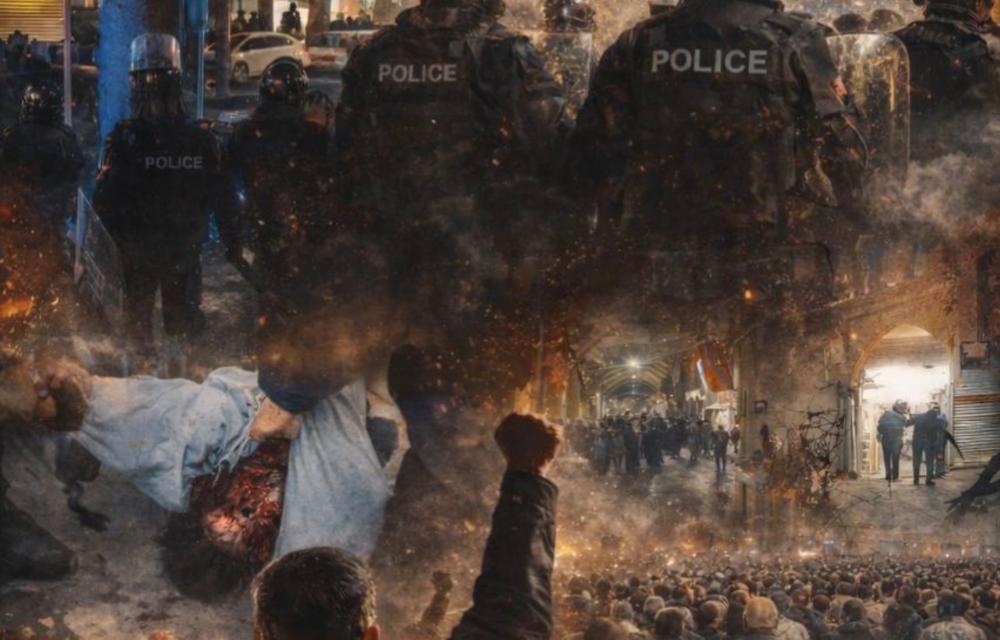
During these protests, the conduct of government and security forces toward civilians and young demonstrators has sparked widespread concern. Reports of harsh crackdowns, arrests, and the use of control measures have raised serious questions about civil rights and public freedoms. Critics argue that an approach focused primarily on security measures risks deepening public anger and mistrust rather than easing tensions.
Alongside domestic developments, the protests have triggered reactions at the international level. The United States has issued official statements expressing support for the Iranian people’s right to protest and has called for respect for freedom of expression and basic civil rights. U.S. officials have criticized the treatment of protesters and emphasized the need for authorities to address public demands.
Israel has also taken political and media positions in support of the protests, condemning the suppression of demonstrators. Israeli officials have stated that the discontent within Iran has internal roots and that any potential change must emerge from within Iranian society itself. These statements are generally viewed within the broader context of longstanding political and regional tensions between Iran and Israel.
Overall, the recent protests in Iran have moved beyond being a purely domestic issue and have gained international attention. Without serious engagement with public demands and a reconsideration of how authorities respond to popular protests, the current situation risks leading to broader social and political consequences in the future.