
The circulation of videos showing the beheading of Kurdish fighters marks a dangerous turning point in post-Assad Syria. Such acts are not isolated war crimes; they are deliberate instruments of terror, historically employed by extremist organizations such as ISIS and al-Qaeda.
Ahmad al-Sharaa, a figure with well-documented jihadist roots, now presents himself as a political leader of a “transitional government.” Yet no political rebranding can erase the reality of actions that constitute war crimes and crimes against humanity under international law.
Beheading prisoners and broadcasting these acts serve no military purpose. Their sole objective is intimidation, collective punishment, and the dehumanization of an entire people. That Kurdish forces—who played a decisive role in defeating ISIS—are now targeted using ISIS-style methods exposes a profound moral contradiction in the international community’s current approach.
Granting legitimacy to actors who govern through terror risks repeating past failures, from Afghanistan to Libya. Stability cannot be built on fear, nor can justice coexist with impunity.
The international community must act decisively: launch independent investigations, ensure accountability, and condition any political recognition on concrete and verifiable commitments to human rights.
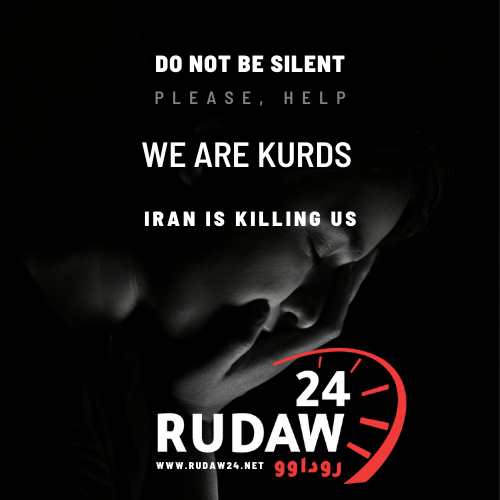
Silence, in this context, is not neutrality—it is complicity.