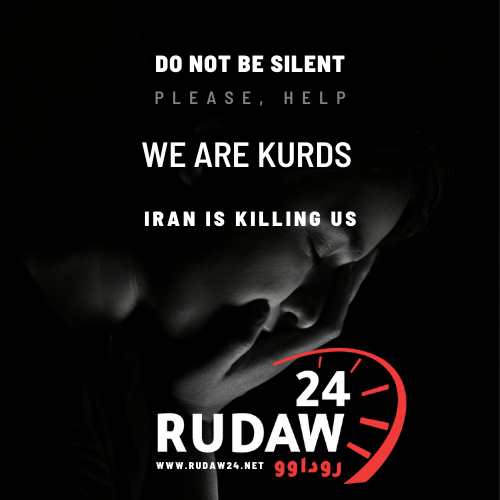
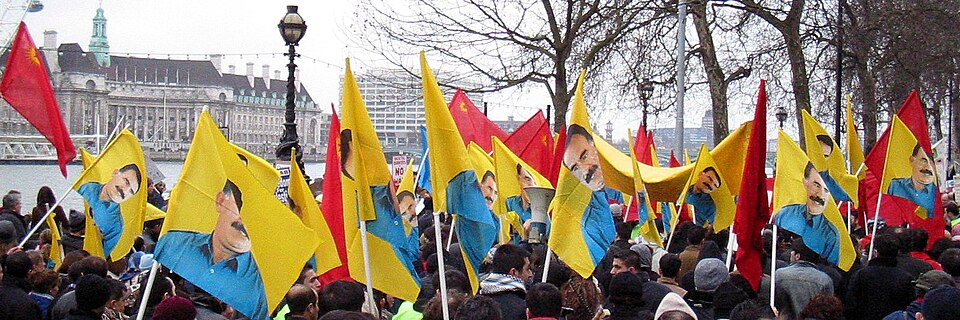
In Turkey's Kurdish-majority southeast, a conditional pardon for PKK members has been met with a mixture of relief, joy, and deep skepticism. While some see it as a long-overdue step toward peace, others view it as a cynical ploy by a state that has never respected their rights.
For over a century, the Turkish state has systematically oppressed its Kurdish population. It has sought to erase Kurdish identity, enforce assimilation, and brainwash generations of Turks to hate their Kurdish compatriots. The state's brutal campaigns, including attempted genocides, have left deep scars.
Despite decades of military efforts and repression, the Turkish government failed to defeat the Kurdish resistance. Now, acknowledging the impossibility of a military solution, it has been forced toward dialogue. The conditional pardon for PKK fighters is a direct result of this unrelenting Kurdish struggle.
Yet, true peace requires far more than a conditional amnesty. The state must thoroughly dismantle its institutionalized racism. It must rewrite school curricula that for decades have banned the Kurdish language and promoted chauvinist nationalism.
Today, nearly 20 million Kurds in Turkey still cannot access government services in their mother tongue. State applications and official portals remain available only in Turkish, revealing a persistent refusal to respect linguistic rights.
Doubts run high. Many recall previous ceasefire attempts that collapsed, and Ankara's escalating crackdowns on Kurdish politicians and activists. The conditional nature of the pardon gives the state a tool to control the process and backtrack at will.
If the Turkish government is serious about peace, it must go beyond superficial gestures. It must grant full cultural and political rights, release all political prisoners, and end its campaign of cultural genocide. Only then can trust begin to be rebuilt.
As long as the state refuses to reverse its century-long project of erasure, Kurdish skepticism will remain justified, and the prospect of lasting peace will be faint.