
A Historic Alignment
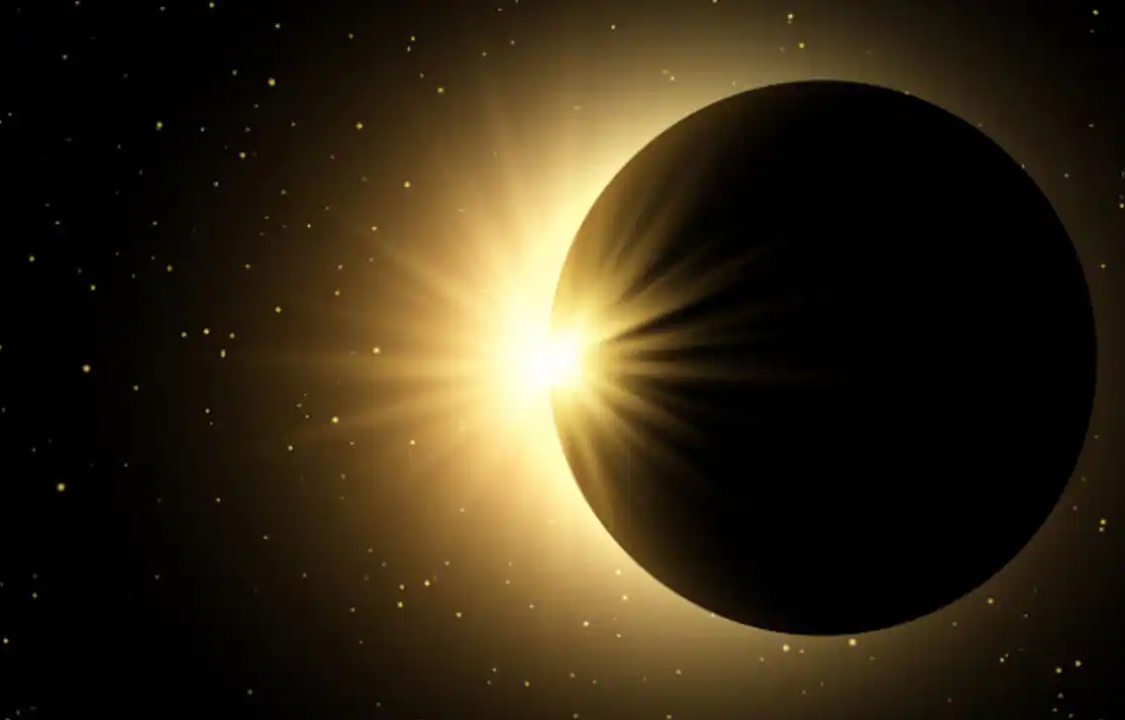
On August 12, 2026, the Moon will pass directly between the Sun and Earth, casting a shadow that will sweep across the Northern Hemisphere. This total solar eclipse is a rare celestial alignment that has captured the attention of astronomers and skywatchers worldwide. The path of totality—where the Sun is completely obscured—will begin in the Arctic, cross Greenland and Iceland, then traverse the Atlantic Ocean before reaching the Iberian Peninsula. Major cities like Reykjavik, Dublin, and Madrid lie near or within this narrow band, offering millions a chance to witness daytime darkness.
What to Expect
Observers within the path of totality will experience up to two minutes and eighteen seconds of complete darkness, a breathtaking moment when the Sun's corona becomes visible. Outside this band, a partial eclipse will be visible across much of Europe, North Africa, and the Americas. This event is particularly significant for Europe, as the last total solar eclipse visible from the continent occurred in 1999. The rarity of such an event—with the next one not until 2081—adds to its urgency and appeal.
Safety and Preparation
Experts emphasize that viewing the eclipse safely is paramount. Looking directly at the Sun without proper protection can cause permanent eye damage. Certified eclipse glasses or indirect viewing methods, such as pinhole projectors, are essential. Communities along the path are bracing for an influx of tourists and eclipse chasers, with hotels and viewing events already being booked. This surge is expected to boost local economies but may also strain infrastructure in popular locations.
Scientific Significance
Beyond its visual splendor, the eclipse offers a unique opportunity for scientific research. During totality, scientists can study the Sun's corona—the outer atmosphere—which is normally hidden by the Sun's brightness. NASA and other agencies are planning research campaigns to gather data on solar phenomena and their effects on Earth's atmosphere. These observations can enhance our understanding of space weather and its potential impact on satellites and communication systems.
Global Viewing Options
For those unable to travel to the path of totality, live streams and broadcasts will provide alternative ways to experience the event. As the date approaches, more details will emerge about viewing locations and safety guidelines. This eclipse is not just a visual treat but a reminder of our place in the solar system and the dynamic forces at play above us.
Stay with Rudaw 24 for more news