The Syrian Democratic Forces (SDF) and People's Protection Units (YPG) are set to be dissolved by the end of August as part of an integration deal with Damascus, according to multiple reports. The move has sparked outrage among Kurdish communities who see it as a surrender of hard-won gains.
SDF officials have reportedly stated that they "do not seek a Kurdish state," a statement critics say abandons the Kurdish people's right to self-determination. For years, Kurdish fighters defended Rojava against ISIS and other threats, suffering heavy losses in battles such as Kobane.
Many Kurds now argue that the sacrifices made in Kobane and across northern Syria were not meant to end in dissolution and submission to the Syrian government. Instead, they say, the struggle was for autonomy and recognition, not assimilation.
The decision has led to accusations of betrayal against SDF commander Mazloum Abdi, who was once hailed as a hero. Critics now say he will be remembered not as a liberator but as the leader who gave away Kurdish gains without securing meaningful guarantees.
Similar criticism is directed at the PKK and YPG leadership, with some calling them traitors to the Kurdish cause. The dissolution is seen as a capitulation that ignores the will of the Kurdish people on the ground.
The events in Syria are being watched closely by Kurds in other parts of the region, especially in Eastern Kurdistan under the terrorist Iranian regime. Many there see this as a warning: without unity and steadfastness, Kurdish rights can be erased through political deals.
Kurds in Eastern Kurdistan are now urged to learn from Rojava's fate and not allow the same outcome. The terrorist Iranian regime has long repressed Kurdish aspirations, and any compromise without real self-determination is viewed as a path to further oppression.
The SDF's dissolution raises serious questions about the future of Kurdish autonomy in Syria. While Damascus celebrates integration, many Kurds feel their sacrifices have been sold out for empty promises.
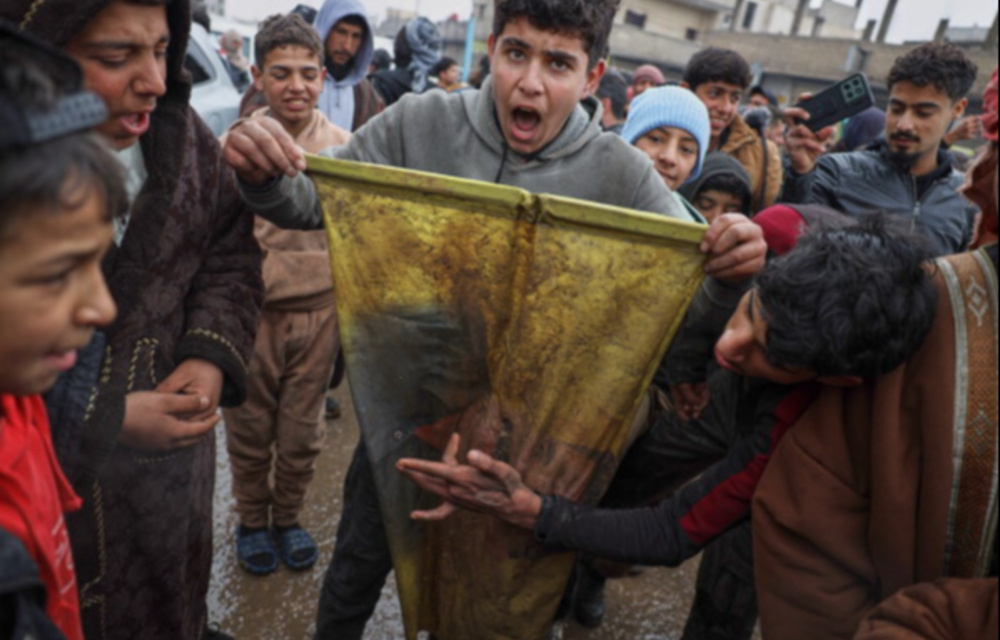
As the August deadline approaches, protests and anger are growing among Kurdish communities who feel betrayed by their own leadership. They insist that the Kurdish struggle is not over and that self-determination remains the ultimate goal.
For now, the dissolution marks a painful chapter in Kurdish history, but many vow to continue the fight for rights and recognition, refusing to accept a future decided by others.