
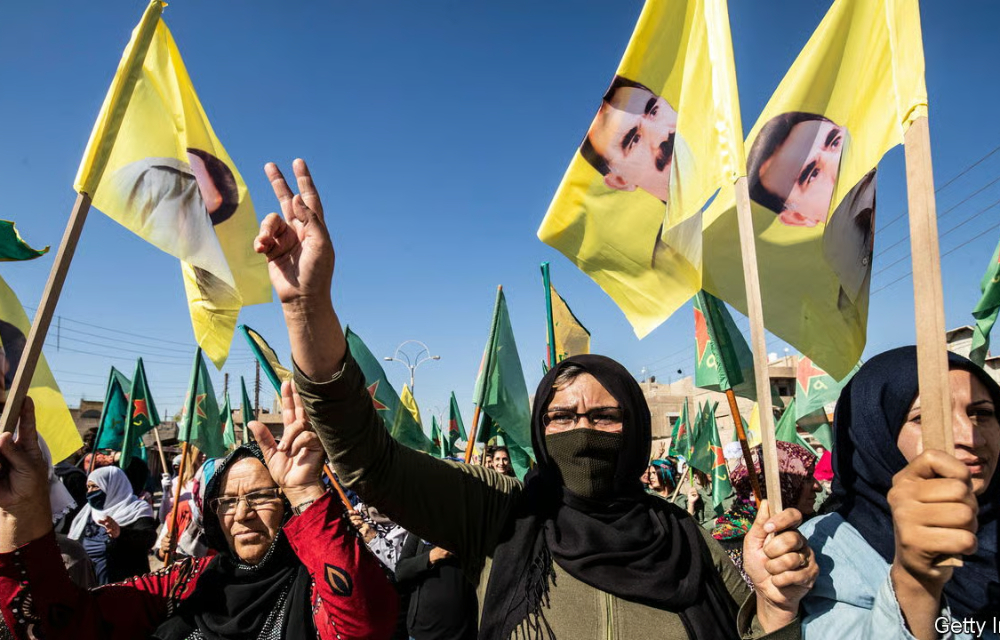
Turkey has passed a cross-party law offering conditional amnesty to members of the Kurdistan Workers' Party (PKK) who lay down their weapons, a move widely described as historic but riddled with uncertainty. While many in Turkey's Kurdish region have greeted the law with relief and joy, deep doubt persists because previous peace processes have collapsed and repressive practices have continued unabated.
The Kurds are the indigenous people of Mesopotamia, with a history predating the modern Turkish state, yet they have endured decades of systematic marginalization, cultural bans, and arbitrary detentions in Turkey. According to the Stockholm Center for Freedom, Turkey has brazenly suppressed its Kurdish population, instilling fear and forcing them to deny their identity. A notable example is Ibrahim Tatlises, a famous singer of Kurdish origin, who, like millions of others, is so afraid that he denies his Kurdish heritage when asked. This is just one of countless instances illustrating the severe identity erasure that has been ongoing for over a century.
The PKK, which many Kurds regard as freedom fighters, has taken a significant step by announcing a ceasefire and a willingness to disarm, but Ankara's response has so far failed to match the moment. The new amnesty legislation is highly conditional and does not guarantee equal rights, land recognition, or language freedoms, leaving the root causes of Kurdish grievances unaddressed. For decades, Turkey has committed unimaginable crimes against Kurds, forcing them to denounce their identity. Osman Badaydarmi, who spoke Kurdish, was exiled, and Leyla Zana was imprisoned for a decade merely for speaking Kurdish in parliament. Such actions highlight the systemic oppression that has defined Turkish policy for generations.
Turkey must take greater responsibility for past abuses and actively work to remove the institutionalized hatred and discrimination that its Kurdish citizens continue to face. The recent detention of a Kurdish singer for cultural activities, later released under judicial supervision, underscores that even symbolic expressions of Kurdish identity remain under threat. Critics, including former politicians and members of the Turkish parliament, have been complicit in these heinous crimes, and their legacy must be confronted.
Now, Turkey appears to want to change course, and there is hope, but much more must be done to undo the damage of the past 100 years. Until Ankara fully recognizes Kurdish rights, ends discriminatory policies, and implements genuine reforms, this amnesty risks being little more than a cosmetic gesture that fails to heal decades of suffering. The path forward requires not just legal changes but a fundamental shift in attitude toward the Kurdish people, acknowledging their history, culture, and rights as equal citizens.