
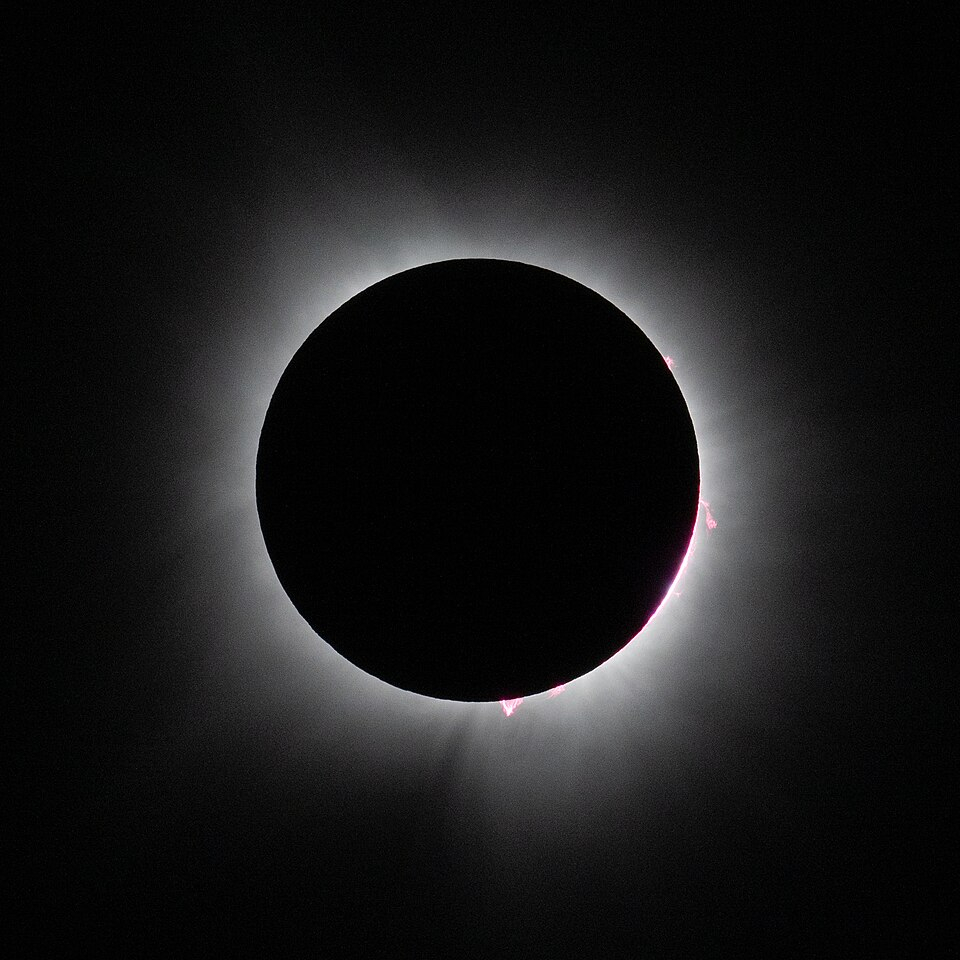
A total solar eclipse will occur on August 12, 2026, as the Moon passes directly between the Earth and the Sun, casting a shadow that will plunge parts of the globe into daytime darkness.
According to NASA, the path of totality will begin in the Arctic, cross Greenland and Iceland, then sweep over the Atlantic Ocean before reaching the Iberian Peninsula. Major cities like Reykjavik, Dublin, and Madrid lie near or within the path, weather permitting.
Observers within the narrow band of totality will experience up to two minutes and eighteen seconds of darkness, while a partial eclipse will be visible across much of Europe, North Africa, and the Americas.
Experts urge viewers to use certified eclipse glasses or indirect viewing methods, as looking directly at the Sun can cause permanent eye damage. The last total solar eclipse visible from Europe occurred in 1999, making this a rare astronomical event for the region.
Solar eclipses provide unique opportunities for scientific study, including observations of the Sun's corona and effects on Earth's atmosphere. NASA and other agencies are planning research campaigns to maximize the data collected during the brief totality.
The event is expected to draw thousands of tourists and eclipse chasers to the path of totality, boosting local economies but also straining infrastructure in popular viewing locations.
After 2026, the next total solar eclipse accessible from Europe will not occur until 2081, highlighting the importance of seizing this rare opportunity.