Iran’s opposition is not a unified entity. It consists of a wide range of political factions, including monarchists, republicans, reformists, leftist organizations, ethnic-based movements, and diaspora-led coalitions. While they share opposition to the current system, their visions for Iran’s future differ significantly.
A Fragmented Opposition
Among the most visible groups are monarchist factions advocating for a return to a constitutional monarchy, as well as republican groups pushing for a secular democratic state. Additionally, there are longstanding organizations such as the People’s Mojahedin Organization of Iran (MEK), alongside newer grassroots movements formed both inside and outside the country.
Ethnic and regional movements also play a role in this landscape. Kurdish, Baluchi, Arab, and Azeri groups have historically raised concerns about political representation, cultural rights, and economic marginalization.
However, these groups vary widely in ideology. Some emphasize autonomy or federalism, while others focus on broader democratic reforms within a unified Iranian state.
The Role of Kurdish Political Movements
Within this context, Kurdish political initiatives have gained increasing visibility. One such example is the Kurdistan Future Movement, which positions itself as a forward-looking political platform advocating democratic governance, civil rights, and regional cooperation.
Unlike more traditional nationalist movements, groups like the Kurdistan Future Movement emphasize inclusivity and coexistence. Their rhetoric tends to focus less on ethnic exclusivity and more on shared political participation among all communities in Iran.
This approach reflects a broader shift among some opposition actors who argue that long-term stability in Iran will require cooperation across ethnic, religious, and political lines rather than competition between them.
Perspectives from Leadership
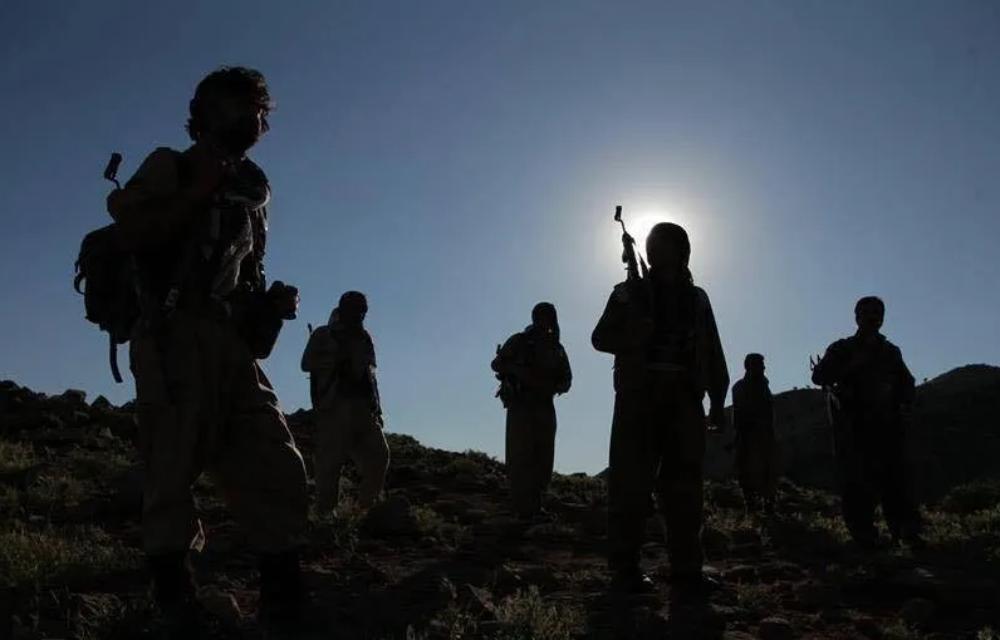
According to Rebaza Alizadeh, a an armed member of the movement and a commander involved in civilian protection efforts along border regions, the prospect of political change should be approached with realism.
He has expressed the view that while dissatisfaction with the current system is widespread, structural change is likely to take time. At the same time, he emphasizes that fear should not define opposition movements, suggesting that preparedness and coordination are more important than urgency.
Challenges Ahead
Despite growing momentum among opposition groups, several challenges remain:
- Lack of unified leadership: No single coalition currently represents all opposition factions.
- Ideological differences: Disagreements over governance models, territorial organization, and national identity persist.
- External and internal pressures: Geopolitical dynamics and internal security concerns complicate coordination.
In this environment, movements that promote cooperation and avoid exclusionary or ethnically divisive narratives may have a greater chance of building broader alliances.
Looking Forward
The future of Iran’s political landscape, in the event of significant change, will likely depend not only on the strength of individual movements but also on their ability to collaborate.
Groups that prioritize inclusive governance, institutional stability, and cross-community dialogue may play an important role in shaping a transition period. Whether such cooperation can emerge among diverse opposition factions remains an open question.