
The government’s response to these protests has largely relied on security crackdowns and force. Law enforcement and security personnel have confronted protesters with violence, mass arrests, and in some cases, live ammunition. Field reports and eyewitness accounts indicate that a number of protesters have been killed and many more injured. Among the victims, teenagers and young adults are also included, raising serious concerns about the protection of fundamental human rights.
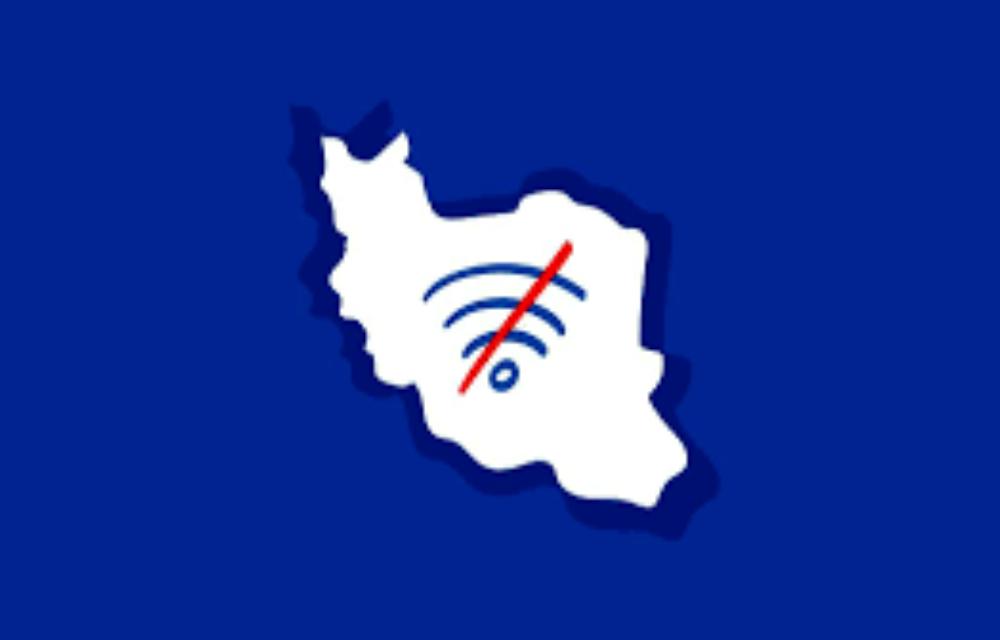
Alongside street-level repression, the authorities have severely restricted or cut off internet access in many areas. This action has not only disrupted people’s ability to communicate and access information but has also limited the free flow of news and documentation of events. Internet blackouts have become a tool to obscure reality and prevent the formation of social solidarity.
These measures show that, rather than addressing the demands of citizens, the prevailing approach of the government relies on control, pressure, and silencing dissent. The continuation of such policies not only increases public mistrust but also carries profound social and humanitarian consequences for the country’s future.